
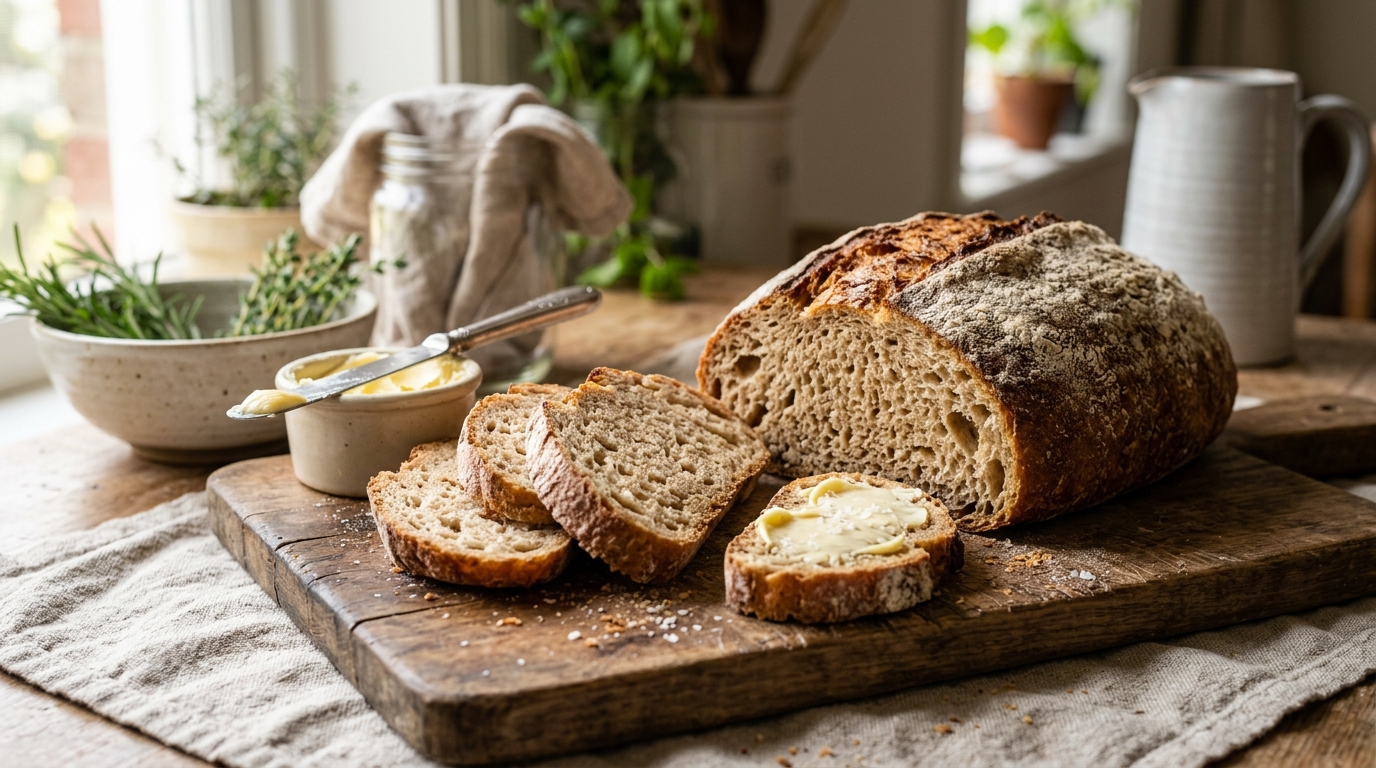
How to Bake Gluten Free Bread That Tastes Amazing
There’s nothing quite like the smell of freshly baked bread filling your kitchen — but when you’re baking gluten free, getting that perfect soft texture and rich flavor can feel impossible. The good news? You absolutely can make gluten free bread that’s fluffy, golden, and genuinely delicious without complicated techniques.
Whether you’re avoiding gluten for health reasons or simply exploring homemade baking, this guide will help you create bakery-style gluten free bread right at home.
Why Gluten Free Bread Is Different
Traditional bread relies on gluten to create structure and chewiness. Without it, bread can easily become:
- Dense
- Dry
- Crumbly
- Gummy in the middle
That’s why gluten free baking requires a smart combination of flours, starches, and moisture-rich ingredients.
The secret is balancing texture and flavor while keeping the loaf soft and airy.
Essential Ingredients for Amazing Gluten Free Bread
Before you start baking, gather these key ingredients for the best results.
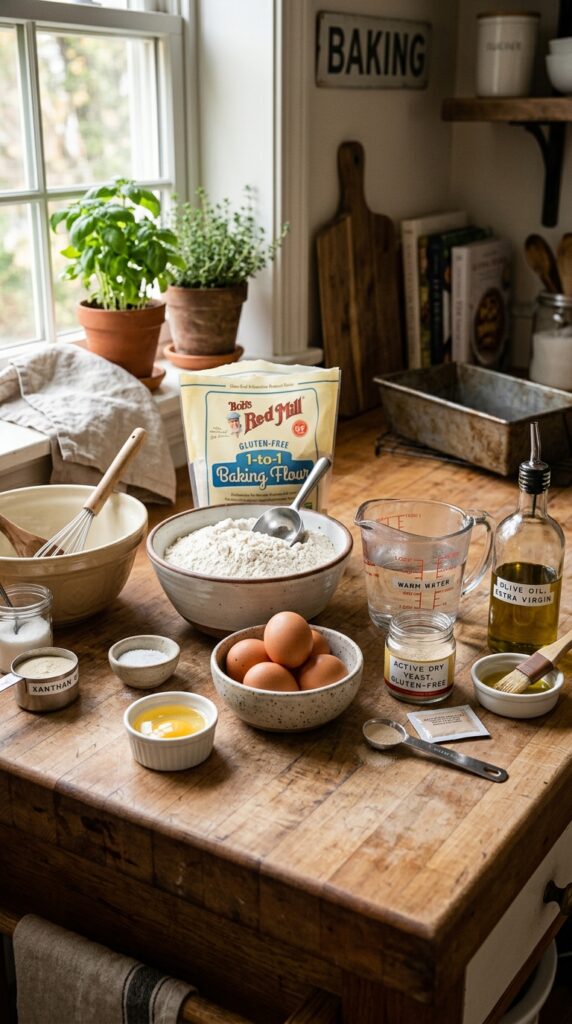
Gluten Free Flour Blend
A quality all-purpose gluten free flour blend works best. Look for one that contains:
- Rice flour
- Potato starch
- Tapioca starch
Some blends already include xanthan gum, which helps mimic gluten.
Yeast
Active dry yeast or instant yeast helps the bread rise beautifully.
Eggs
Eggs add structure and moisture, preventing the loaf from falling apart.
Oil
Olive oil or avocado oil keeps the bread soft and tender.
Apple Cider Vinegar
A small splash improves flavor and helps activate the yeast.
Step-by-Step Gluten Free Bread Recipe
Step 1: Activate the Yeast
In a mixing bowl, combine:
- Warm water
- Sugar or honey
- Yeast
Let it sit for 5–10 minutes until frothy.
If the mixture doesn’t bubble, your yeast may be expired.
Step 2: Mix the Dry Ingredients
In another bowl, whisk together:
- Gluten free flour blend
- Salt
- Xanthan gum (if your flour blend doesn’t contain it)
Mixing thoroughly helps create an even texture.
Step 3: Combine Everything
Add the wet ingredients into the dry mixture:
- Eggs
- Oil
- Vinegar
- Yeast mixture
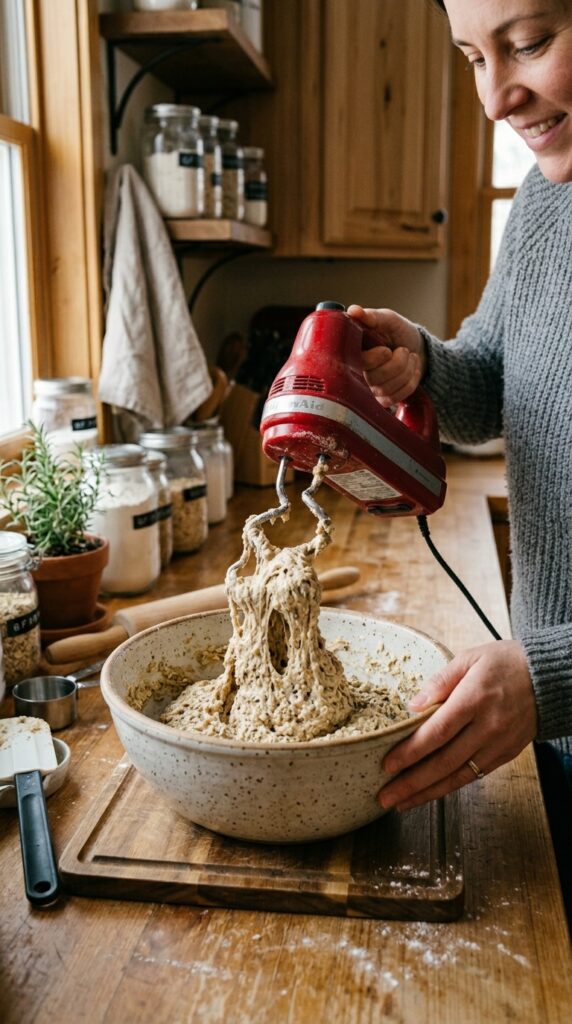
Beat the dough for several minutes using a stand mixer or hand mixer.
Unlike regular bread dough, gluten free dough looks more like thick cake batter.
Let the Dough Rise Properly
Transfer the dough into a greased loaf pan and smooth the top with a spatula.
Cover lightly with a towel and let it rise in a warm place for about 30–45 minutes.
You’ll notice the dough puff up slightly — that’s exactly what you want.
Rising Tips
- Avoid overly hot environments
- Keep the dough away from drafts
- Don’t overproof or the bread may collapse
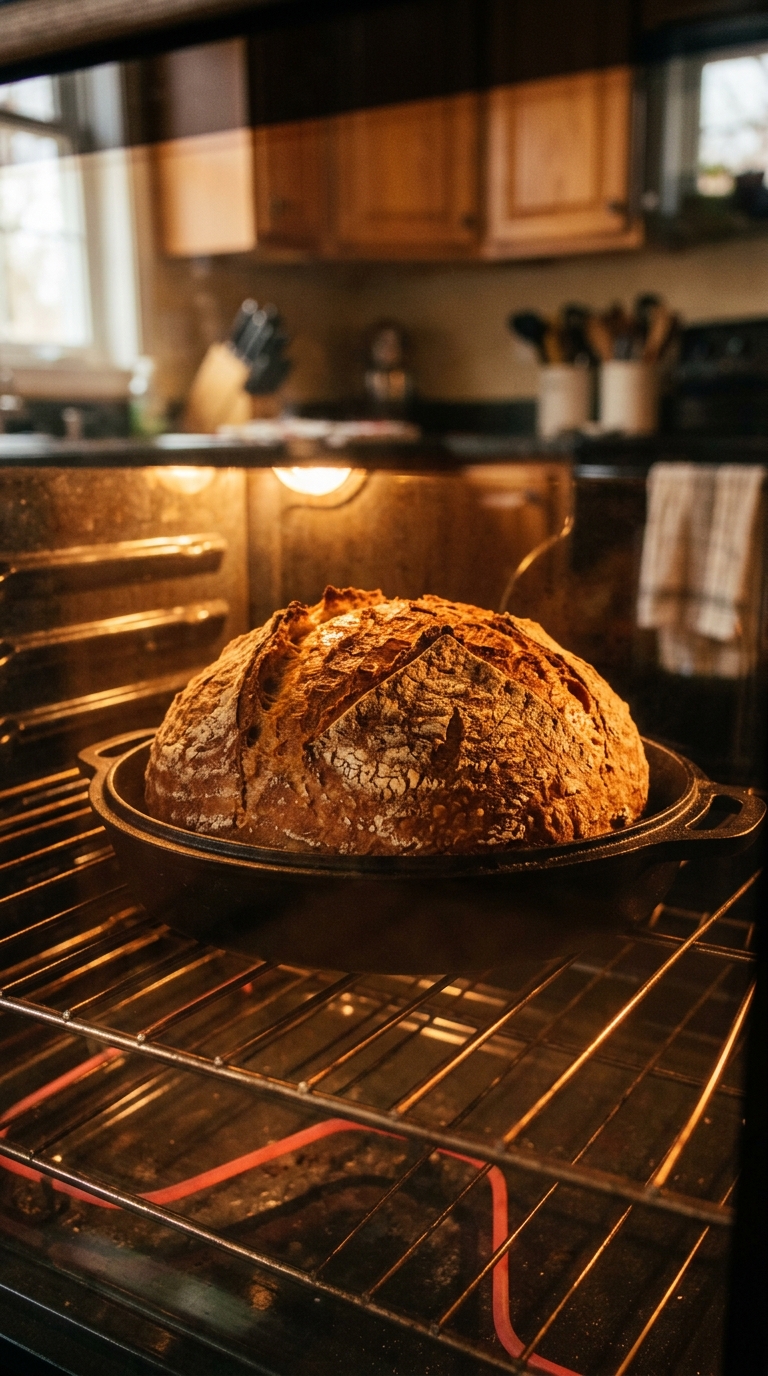
Bake Until Golden and Perfect
Preheat your oven to 375°F (190°C).
Bake the bread for 35–45 minutes until:
- The top is golden brown
- The loaf sounds hollow when tapped
- A thermometer reads about 200°F internally
If the top browns too quickly, loosely cover it with foil halfway through baking.
Tips for Soft and Flavorful Gluten Free Bread
Want bakery-quality results every time? These simple tricks make a huge difference.
Use Room Temperature Ingredients
Cold eggs or liquids can affect yeast activity and texture.
Don’t Skip Xanthan Gum
This ingredient helps bind everything together and improves elasticity.
Add Extra Moisture
Gluten free bread benefits from slightly higher hydration than traditional bread.
Cool Completely Before Slicing
Cutting too early can make the bread gummy inside.
Patience pays off here.
Delicious Variations to Try
Once you master the basic loaf, experiment with fun flavors.
Herb Bread
Add:
- Rosemary
- Thyme
- Garlic powder
Seeded Bread
Top with:
- Sesame seeds
- Sunflower seeds
- Chia seeds
Slightly Sweet Bread
Mix in:
- Honey
- Cinnamon
- Raisins
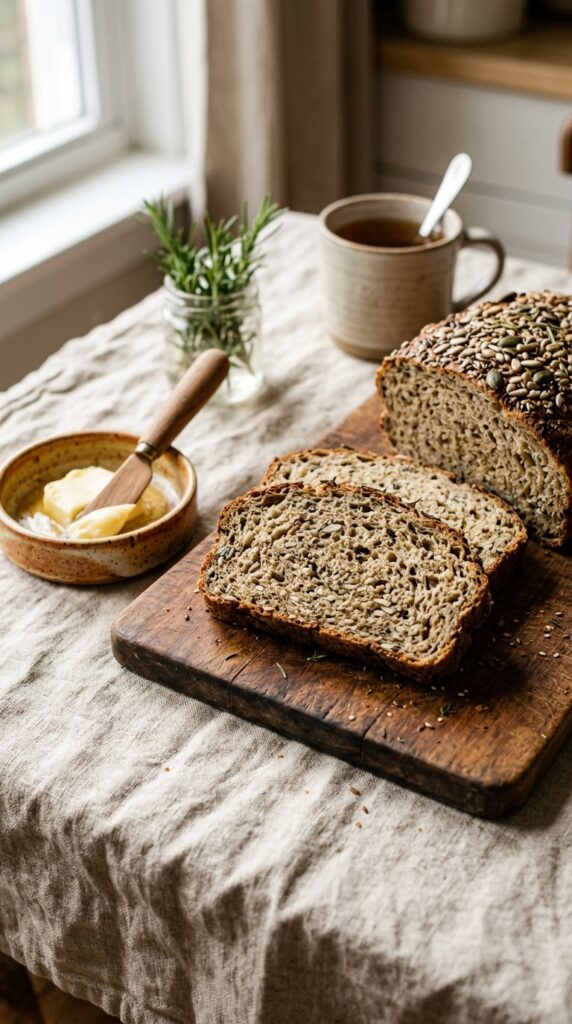
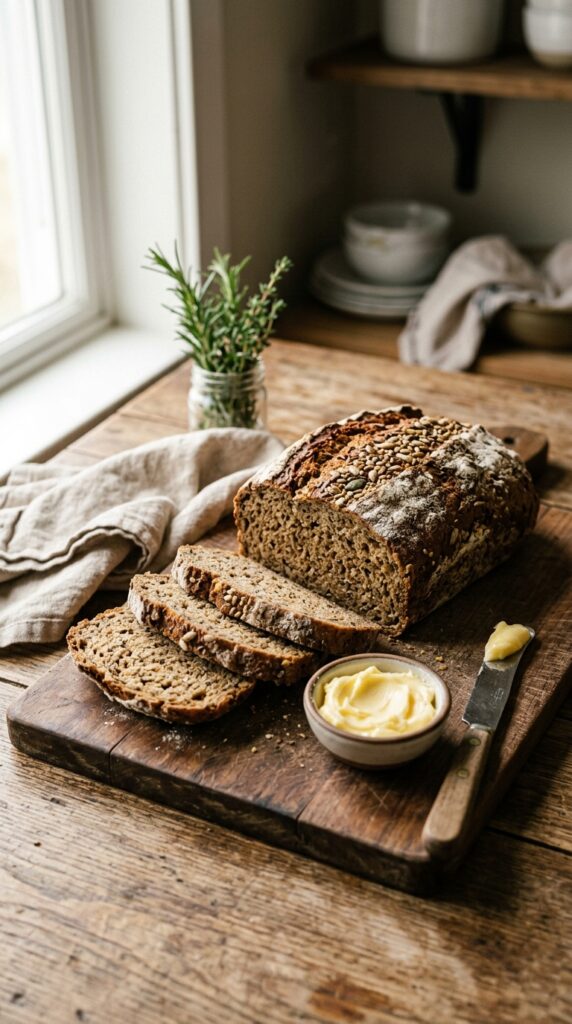
[Image Prompt] Sliced gluten free bread topped with seeds and herbs on a linen-covered table beside a small dish of butter, rustic Pinterest-style food photography.
Common Gluten Free Bread Mistakes
Avoid these common issues for better homemade bread.
Bread Is Too Dense
- Dough may need more moisture
- Yeast may be inactive
Bread Collapses
- Dough likely overproofed
- Oven temperature may be too low
Bread Is Dry
- Overbaked
- Not enough oil or eggs
Keeping notes during baking helps improve future loaves.
The Best Ways to Store Gluten Free Bread
Homemade gluten free bread doesn’t contain preservatives, so proper storage matters.
Short-Term Storage
Keep it in an airtight container at room temperature for 2–3 days.
Freezing
Slice the loaf first, then freeze individual slices for quick breakfasts or sandwiches.
Toast frozen slices directly for best texture.
Final Thoughts
Making gluten free bread from scratch may seem intimidating at first, but once you understand the basics, it becomes surprisingly simple — and incredibly rewarding. With the right ingredients and a few smart techniques, you can bake bread that’s soft, flavorful, and worthy of sharing.

![[Image Prompt] A close-up of chocolate overnight oats topped with banana slices, cacao nibs, peanut butter drizzle, and chopped nuts in a stylish mason jar, Pinterest-style realistic photography.](https://foodrecipeshop.com/wp-content/uploads/2026/05/Mason_jar_with_overnight_oats_202605021118-768x429.jpeg "How to Make Healthy Overnight Oats for a Nutritious Breakfast 12")