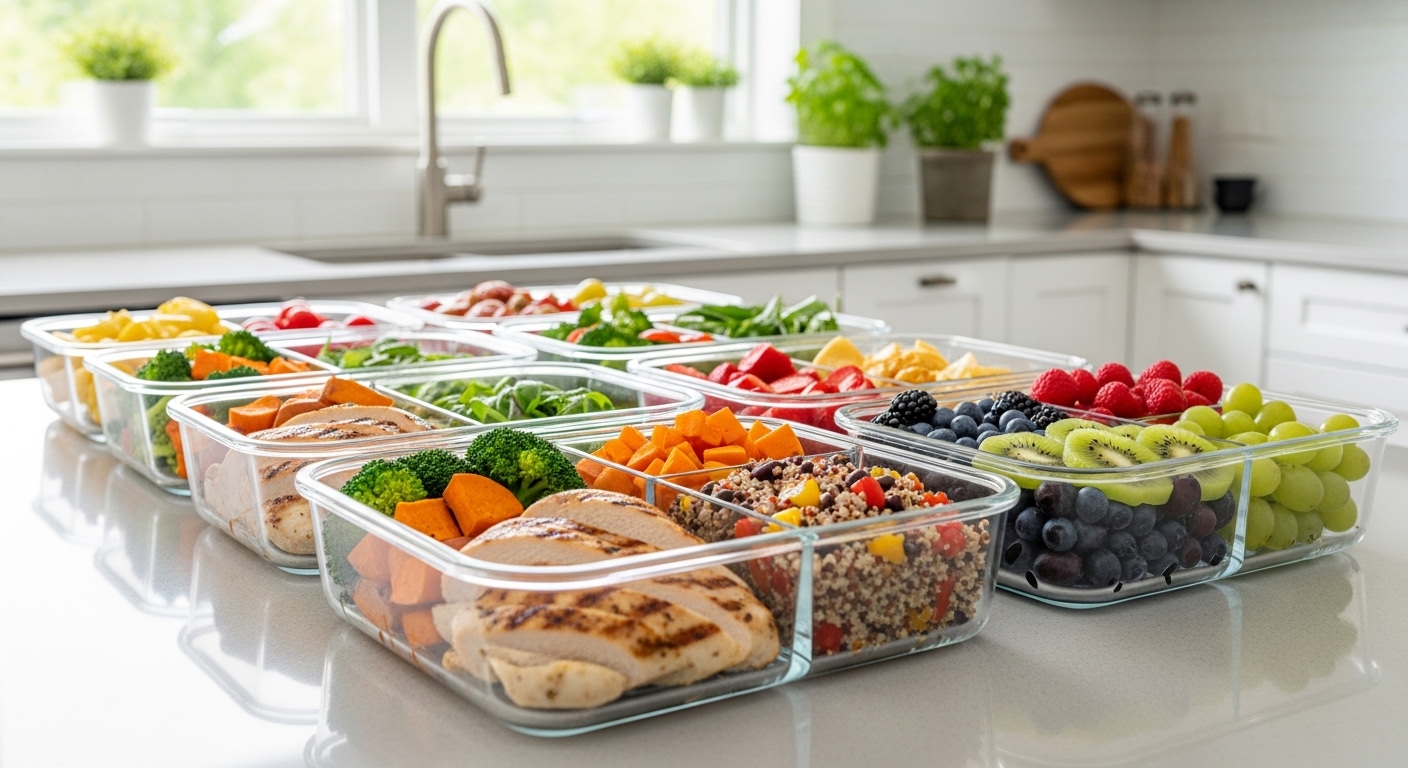
Staring into your fridge at 7 PM, wondering what to eat—again? You’re not alone. Busy schedules, low energy, and last-minute cravings often lead to unhealthy choices. But here’s the good news: with a little planning, you can completely transform your week.
Healthy meal prep isn’t about perfection—it’s about making your life easier, your meals better, and your stress levels lower.
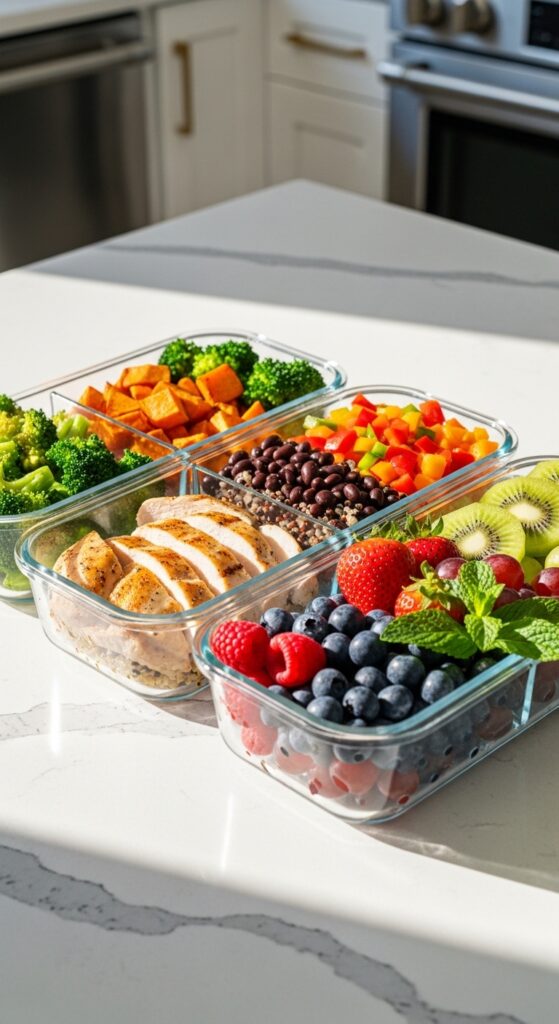
Let’s break it down step-by-step so you can master healthy meal prep like a pro.
Why Meal Prep is a Game-Changer
Before jumping in, let’s quickly talk about why meal prep works so well.
Benefits you’ll love:
- Saves time during busy weekdays
- Reduces stress (no more “what’s for dinner?” panic)
- Helps with portion control
- Supports healthier eating habits
- Saves money by avoiding takeout
Once you get into the habit, you’ll wonder how you ever lived without it.
Step 1: Plan Your Meals for the Week
The foundation of successful meal prep is a simple plan.
Start with these basics:
- Choose 3–4 main meals (don’t overcomplicate)
- Include a mix of:
- Protein (chicken, fish, eggs, beans)
- Carbs (rice, quinoa, sweet potatoes)
- Veggies (broccoli, spinach, carrots)
- Add snacks like fruits, nuts, or yogurt
Pro Tip:
Pick meals with overlapping ingredients. For example:
- Grilled chicken can be used in bowls, wraps, or salads
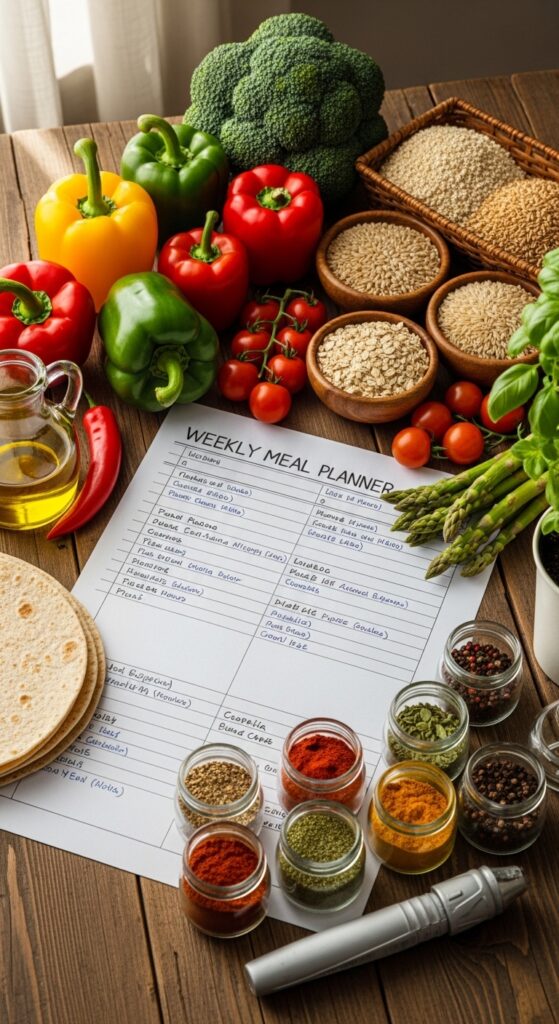
Step 2: Create a Smart Grocery List
Once your meals are planned, turn them into a clear shopping list.
Organize your list by category:
- Proteins: chicken breast, eggs, lentils
- Grains: brown rice, oats, quinoa
- Vegetables: bell peppers, broccoli, cucumbers
- Healthy fats: avocado, olive oil, nuts
- Extras: spices, sauces, herbs
Why this matters:
- Saves time at the store
- Prevents impulse buying
- Keeps you focused on healthy choices
Stick to your list—it’s your roadmap to success.
Step 3: Prep Ingredients in Batches
Now comes the fun (and slightly messy) part—prepping!
Instead of cooking everything separately, batch cooking is your best friend.
What to prep:
- Cook proteins (grill, bake, or sauté)
- Prepare grains in bulk
- Chop vegetables for easy use
- Wash fruits for quick snacks
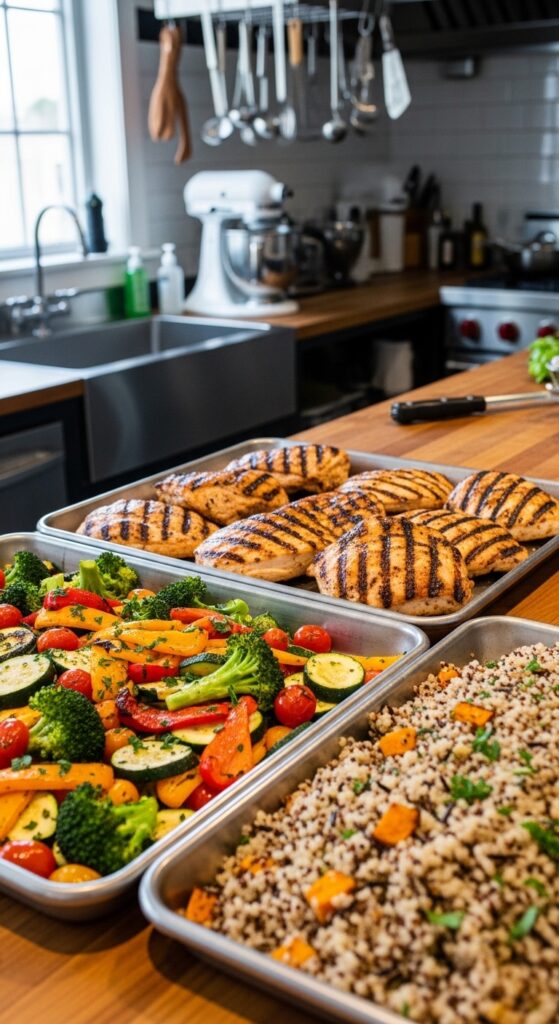
Example batch plan:
- Bake 4–5 chicken breasts
- Cook a big pot of rice or quinoa
- Roast a tray of mixed vegetables
Step 4: Mix and Match Your Meals
Here’s where meal prep becomes exciting—not boring.
Instead of making identical meals, create combinations.
Example combinations:
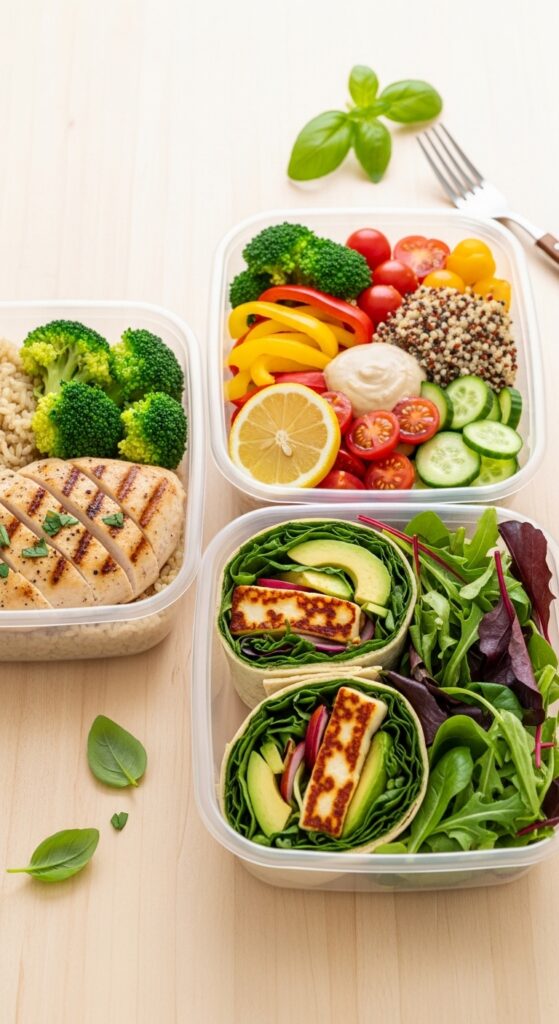
- Bowl 1: rice + chicken + broccoli
- Bowl 2: quinoa + roasted veggies + chickpeas
- Wrap: chicken + veggies + hummus
- Salad: greens + boiled eggs + avocado
This keeps your meals fresh and prevents “food fatigue.”
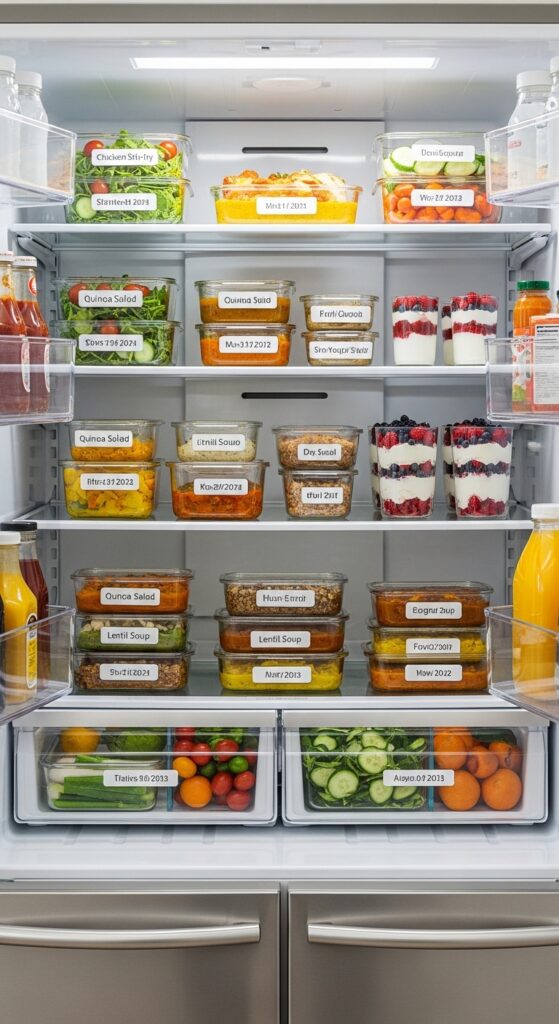
Step 5: Store Food the Right Way
Proper storage keeps your meals fresh and safe.
Use:
- Airtight containers (glass preferred)
- Separate compartments if possible
Storage tips:
- Keep meals in the fridge for up to 4–5 days
- Freeze extras for later use
- Label containers with dates (optional but helpful)
Step 6: Add Flavor Without Extra Calories
Healthy doesn’t have to mean boring.
Boost flavor with:
- Fresh herbs (cilantro, parsley, basil)
- Spices (paprika, cumin, garlic powder)
- Low-calorie sauces (yogurt-based, lemon juice, vinegar)
Quick ideas:
- Lemon + olive oil + garlic = instant dressing
- Greek yogurt + herbs = creamy dip
Small changes make a big difference in taste.
Step 7: Keep It Simple (Don’t Overdo It)
One of the biggest mistakes beginners make? Doing too much.
Start small:
- Prep for 2–3 days, not the whole week
- Choose easy recipes
- Use familiar ingredients
Consistency matters more than complexity.
Sample 3-Day Meal Prep Plan
To make it even easier, here’s a simple example:
Day 1:
- Lunch: Grilled chicken + rice + broccoli
- Dinner: Veggie stir-fry + quinoa
Day 2:
- Lunch: Chicken wrap + salad
- Dinner: Lentil curry + rice
Day 3:
- Lunch: Quinoa bowl + roasted veggies
- Dinner: Egg omelet + avocado toast
Snacks:
- Fruits, nuts, yogurt
Common Meal Prep Mistakes to Avoid
Avoid these pitfalls to stay on track:
- ❌ Cooking too many complicated recipes
- ❌ Not seasoning your food properly
- ❌ Using poor storage containers
- ❌ Skipping variety (you’ll get bored!)
- ❌ Not planning snacks
Learning from these will save you time and frustration.
Final Thoughts: Make Meal Prep Your Weekly Habit
Healthy meal prep isn’t just about food—it’s about creating a lifestyle that supports your goals.
Start simple. Stay consistent. Adjust as you go.
Within a few weeks, you’ll notice:
- Less stress
- Better eating habits
- More time for yourself
And honestly? That’s worth it.
👉 Save this guide for later and start your meal prep journey this week!
![[Image Prompt] A close-up of chocolate overnight oats topped with banana slices, cacao nibs, peanut butter drizzle, and chopped nuts in a stylish mason jar, Pinterest-style realistic photography.](https://foodrecipeshop.com/wp-content/uploads/2026/05/Mason_jar_with_overnight_oats_202605021118-768x429.jpeg "How to Make Healthy Overnight Oats for a Nutritious Breakfast 7")